
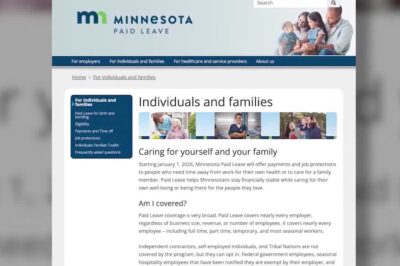
Minnesota’s new paid leave program has seen attempts at fraud within its first month, according to state officials.
The program, which offers 12-20 weeks of paid, job-protected leave for medical or family reasons, is funded by employer and employee premiums. The Minnesota Department of Employment and Economic Development (DEED) reported receiving 38,000 applications, approving 13,000, and distributing $30 million so far.
RELATED: House committee aims to prevent fraud in Paid Family and Medical Leave program
Among leave applicants, about 48% are taking time for bonding, 41% for medical reasons, 10% for caring or family leave, and less than 1% for safety or military leave. DEED has identified multiple fraud attempts and referred cases to the Minnesota Bureau of Criminal Apprehension, though they did not disclose the exact number of fraud cases.
“Broadly speaking, the vectors for fraud are when people aren’t who they claim to be, when they submit false documentation to us suggesting they…
CLICK HERE to read the FULL article.
What is the greatest online Fraud threat? In 2026 Impersonation Fraud fueled by Generative AI is the greatest online threat: Fraudsters use Deepfakes (cloned voices and hyper-realistic video) to mimic family, executives, or trusted brands. These high-fidelity deceptions bypass traditional “red flags” like poor grammar, making them nearly impossible to detect. By exploiting human trust and psychological pressure—often via “Business Email Compromise” (BEC) or urgent family distress calls—criminals manipulate victims into making irreversible cryptocurrency or wire transfers. In a world where you can no longer trust your eyes or ears, manual verification is your only true defense.
 Cornyn Previews Tomorrow's Judiciary Subcommittee Hearing on Immigration Fraud Nationwide